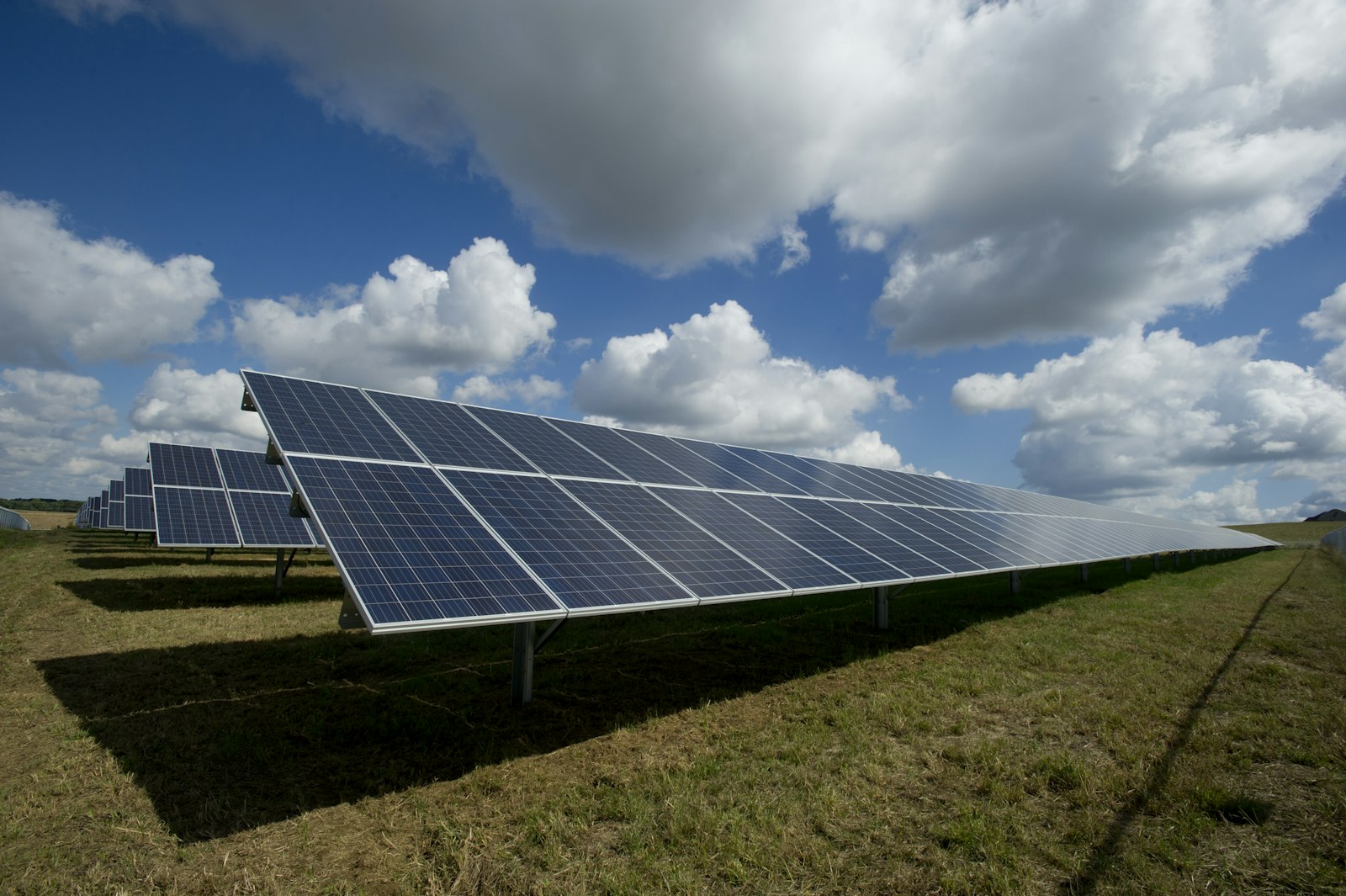
The single most common question we get is: "How many kilowatts do I need?" It sounds technical, but the answer is usually simpler than people expect. If you can read your electricity bill, you can size your solar system to within 80% accuracy in about two minutes.
This guide walks through the exact process, using Chennai-specific assumptions. We'll skip the marketing fluff and just give you the math.
Step 1: Find your monthly unit consumption
Pull out your last three TANGEDCO bills. On each, look for the "Units Consumed" or "kWh" figure — not the rupee amount, the unit count. Add the three numbers, divide by three. That's your monthly average consumption.
For example, if your last three bills showed 450, 520, and 490 units, your monthly average is about 487 units. Round it to 500.
Why three months, not one?
Chennai's consumption varies heavily by season. A single bill from March (peak AC usage) will overstate your annual need; a January bill will understate it. Averaging smooths the swings.
Step 2: Convert to system size
A well-installed 1 kW solar system in Chennai generates approximately 135 units per month, on average. This accounts for cloudy monsoon days, dust accumulation, and normal system losses.
So: divide your monthly consumption by 135. In our example above, 500 ÷ 135 = ~3.7 kW. We'd round up to 4 kW.
Step 3: Check your roof
Every 1 kW of solar needs about 80 square feet of shade-free roof. For a 4 kW system, that's roughly 320 sq ft of usable space. Measure (or estimate) the portion of your roof that:
- Gets direct sunlight from at least 10 AM to 4 PM
- Isn't blocked by water tanks, AC units, or chimneys
- Has structurally sound flooring (not tin sheets without reinforcement)
If your ideal system size exceeds your available roof, you have two options: install what fits and undersize slightly, or reinforce additional space.
Why "bigger is always better" is a myth
Homeowners often ask us to quote a larger system than they need, assuming they'll save more. In Tamil Nadu, this usually doesn't work in your favor, for two reasons:
1. The subsidy caps out
The PM Surya Ghar Muft Bijli Yojana provides central subsidy up to 3 kW for full benefit (₹78,000), and diminishing returns beyond. Residential systems over 10 kW get no central subsidy at all.
2. Net metering has limits
Under TANGEDCO's current policy, excess power exported back to the grid is credited — but the credit doesn't roll over indefinitely. Oversizing beyond your annual consumption is essentially giving electricity away.
The goal isn't to generate the maximum possible power. The goal is to match your consumption as closely as possible, then capture the subsidy.
A quick reference table
Rough system sizes for typical Chennai homes:
- 1–2 BHK apartment: 2–3 kW (usually limited by shared-roof access)
- Small independent house: 3–5 kW (most common residential size in Chennai)
- Villa with 3 AC units: 5–8 kW
- Large villa / joint family: 8–10 kW (max for full subsidy)
Want a more precise estimate?
Our solar savings calculator takes 30 seconds and factors in your exact bill, roof size, and property type. Or book a free site visit and we'll measure everything for you.
The final sanity check
Before signing any contract, make sure your installer has done three things: climbed your roof personally, shown you a shading analysis (not just guessed), and given you a written estimate with brand names on panels and inverter. If any of those are missing, push back.
Solar is a 25-year commitment. The extra hour spent on sizing is the best investment you'll make.